Itchy Scalp & Hair Loss
An itchy scalp and more hair in the drain make a stressful combination — and the internet will happily hand you a dozen explanations for it. Here's the honest version: itch is a feeling, and feelings don't photograph. No photo tool can tell you why your scalp itches or whether the itch and the shedding are connected — that's a question for a qualified professional. What photos can do is capture the part of this you can see: how the scalp surface looks, how much coverage shows at the part and crown, and whether either is changing. A dated, four-angle record of the visible side turns 'it feels worse lately' into something concrete — for your own peace of mind, and for the professional you may want to show it to.
Photos and a blurred preview are free. The full reading is $2.99 — your stage, whether it looks early, and what to do next.
How it works
Same four angles, every time — so each new scan compares fairly to your very first.
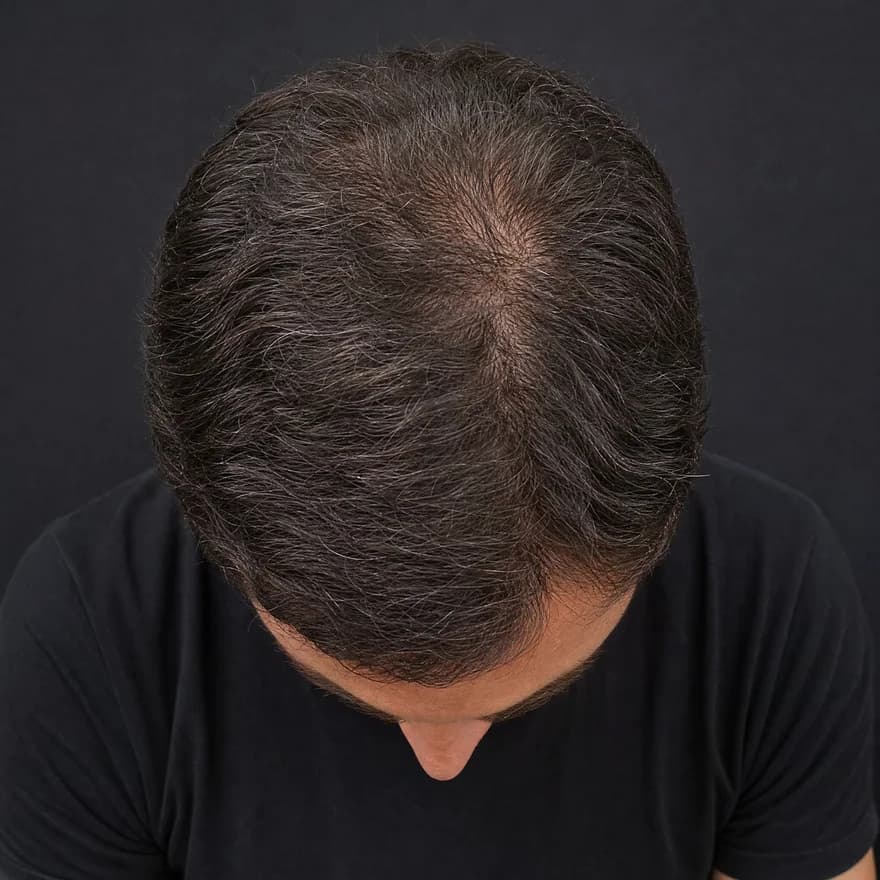
Top · Crown
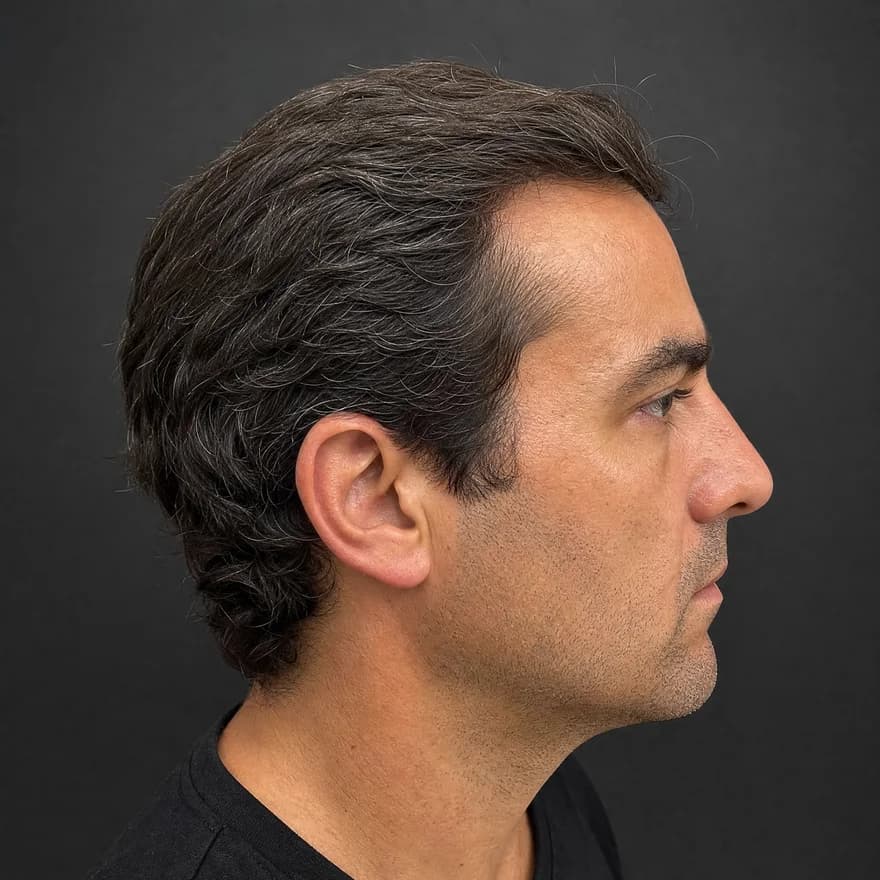
Side · Temple
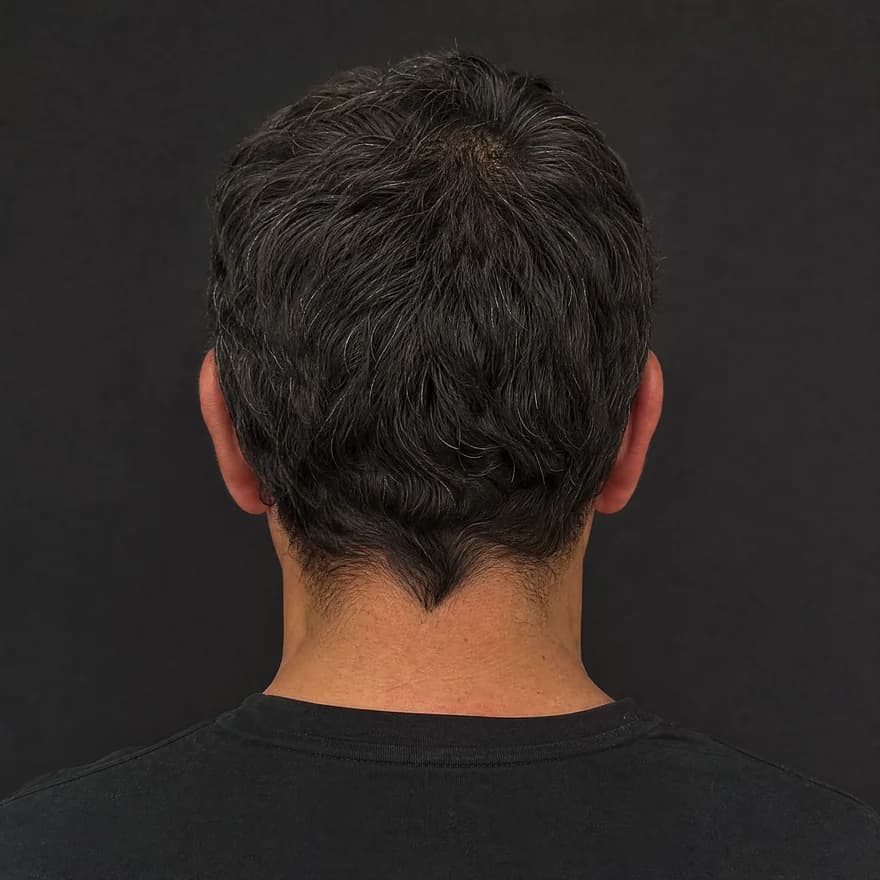
Back
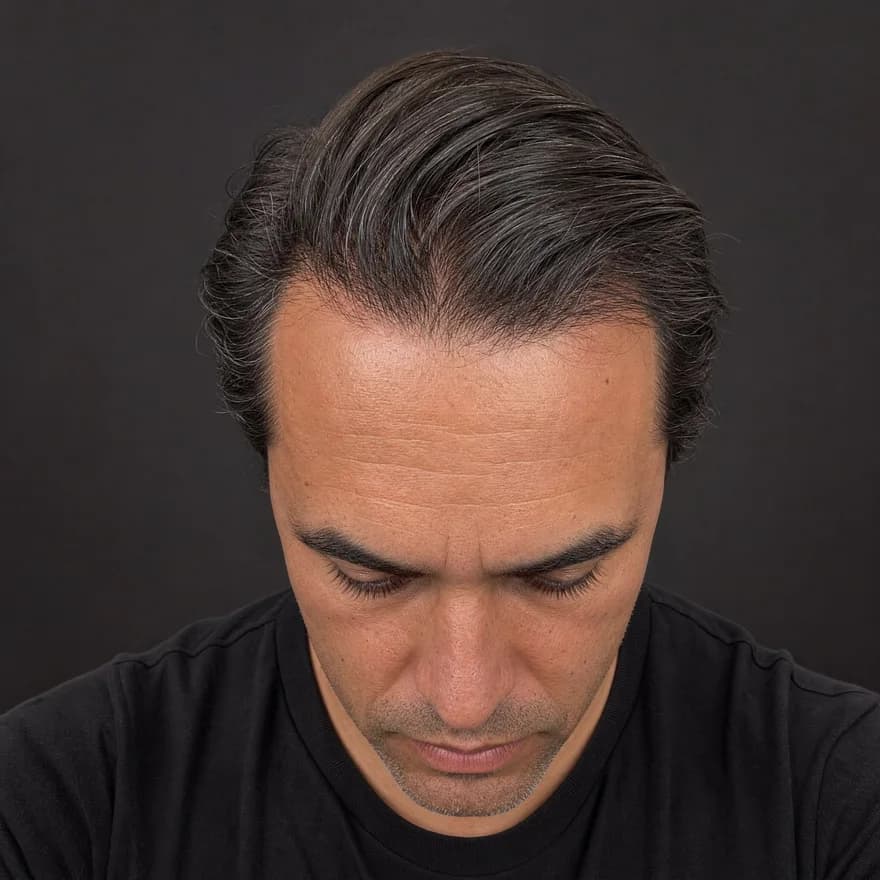
Front · Hairline
Same four angles, every time — illustrative example
Front · crown · temple · back
Four guided angles in about 30 seconds — the same views every time.
Hairline · density · scalp
AI reads each angle for hairline shape, crown density, and scalp surface.
Usable · limited · low-light
Every reading shows its confidence — limited views are flagged, not guessed.
Your baseline, revisited
Save it, rescan later, and see exactly what moved.
Honest boundaries
Splitting the problem in two is the whole trick: the feeling goes to a professional, the visible side goes on record.
The feeling is real, but no camera can see it — so the scan never claims to. Anything that itches, hurts, or stings belongs in a professional conversation.
Visible flaking at partings, shine, redness-adjacent tone shifts under even light — reported only where the photos actually show them, never assumed.
Part width, crown show-through, and overall density read as stable tiers — the slow-moving picture an itchy week makes easy to misjudge.
Scalp close-ups are genuinely hard. Whatever the photos can't support comes back as low confidence rather than an invented finding.
Two lanes
Both lanes matter. Confusing them is how people end up self-diagnosing off a photo — or sitting on a real problem for months.
The scan reads appearance only. It doesn't diagnose conditions or replace professional care.
Put it on record
You can't photograph the feeling — but you can stop the visible side from being a moving target.
Four guided angles capture today's surface signals and coverage as tiers, with confidence shown. That's your fixed reference, whatever the itch does next.
Matching your scalp against internet photos is guessing with extra steps. Record yours as it actually is, and leave the naming to someone qualified.
Visible change is gradual. A rescan every 8–12 weeks — sooner only if a professional suggests it — shows direction without the daily noise.
If the itch persists or the trend drifts, book professional eyes and bring the dated photos. 'Same angles, three months apart' beats any description.
Questions
Whether the itch and the shedding are connected in your case is a question for a qualified professional — not one a photo tool can or should answer. What a scan can honestly do is record the visible state of your scalp and coverage today, so that if you do see a professional, you arrive with a dated record instead of a description from memory.
This page deliberately won't guess. Many different things can sit behind an itchy scalp, and naming one from a photo would be exactly that — a guess. The useful split is this: the feeling belongs to a professional conversation; the visible side — surface signals, coverage, hairline — can be photographed, tiered, and tracked in the meantime.
That's another cause-and-effect question photos can't settle, so we won't pretend otherwise. Practically: if you're scratching often enough to wonder about it, that on its own is a reasonable prompt to get professional eyes on your scalp — and a baseline scan now means any visible change between now and that appointment is on record.
Persistent itch alongside a visible change in coverage is a sensible reason to book professional eyes, and anything sudden, patchy, painful, or red deserves that sooner rather than later. Dated photos make the visit more useful: instead of 'it seems thinner,' you can show exactly how the same angles looked weeks or months apart.
Only the visible side. Four guided angles are read for surface signals — shine and flaking where the photos actually show them — plus coverage, show-through, and hairline shape, each with a confidence level. The itch itself never appears in a photo, and the report never pretends it does.
Taking the four guided photos and previewing your report is free, with no sign-up. Unlocking the full analysis — surface signals, density tiers, hairline read, and a saved baseline — is $2.99 per scan.
A note on transparency
ScalpAnalysis AI reads appearance-based signals and tracks visible change over time. It does not diagnose, treat, cure, or prevent any condition.
If you have pain, sudden shedding, or signs of infection, a qualified professional is the right next step.
The report it produces
This is the exact report format a scan unlocks — qualitative tiers, your visible features, and a confidence level on every reading. Saved as a baseline you compare against on every rescan.
Your Hair Profile
Temples just starting to open — crown still covered
Density
Medium
Type
Wavy
Texture
Medium
Shine
Medium
Risk of Recession
Low
Hair Loss
Mild
Illustrative example · sample data
Related guides
From the blog
Photos and a blurred preview are free. The full analysis is $2.99, or invite 3 friends for one free analysis.
