Hair Density Test
Density is hard to judge in a mirror. Four guided angles give a consistent view of your crown and hairline, with a confidence level on every reading — and a baseline to measure against the next time you scan.
Photos and a blurred preview are free. The full reading is $2.99 — your stage, whether it looks early, and what to do next.
How it works
Same four angles, every time — so each new scan compares fairly to your very first.
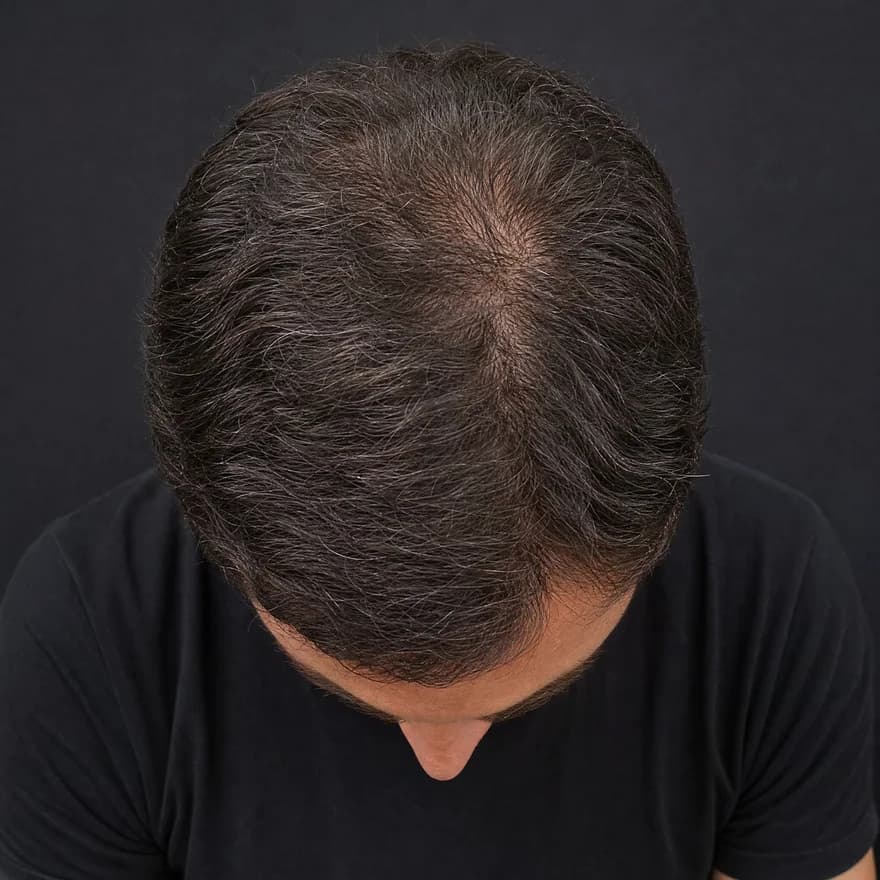
Top · Crown
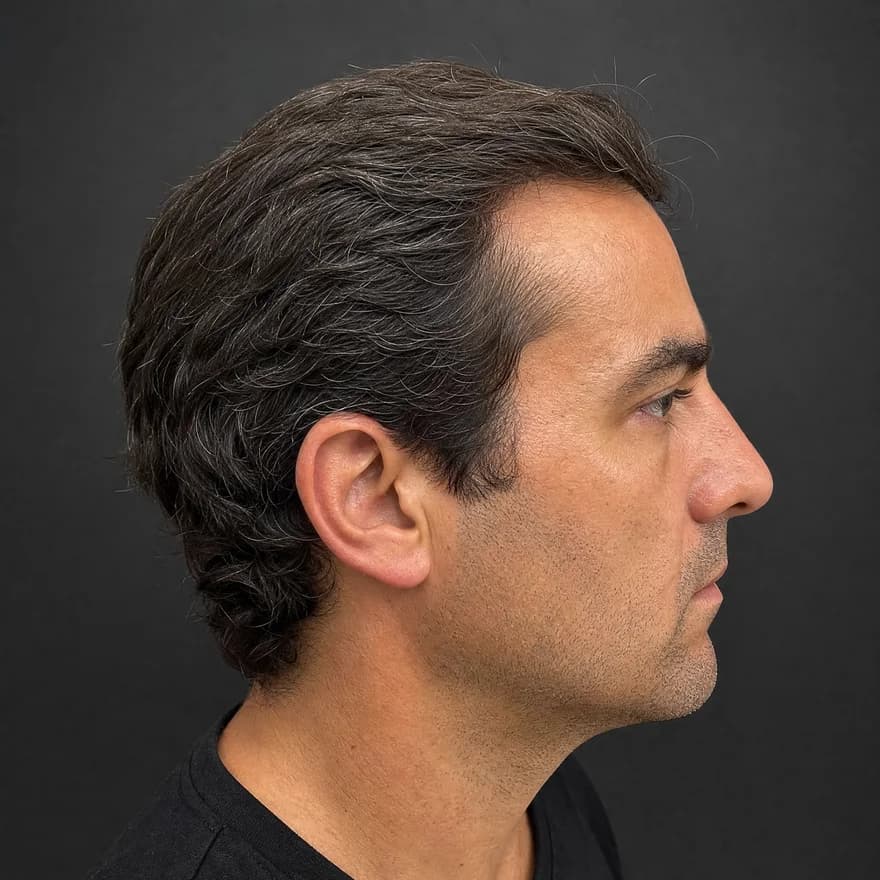
Side · Temple
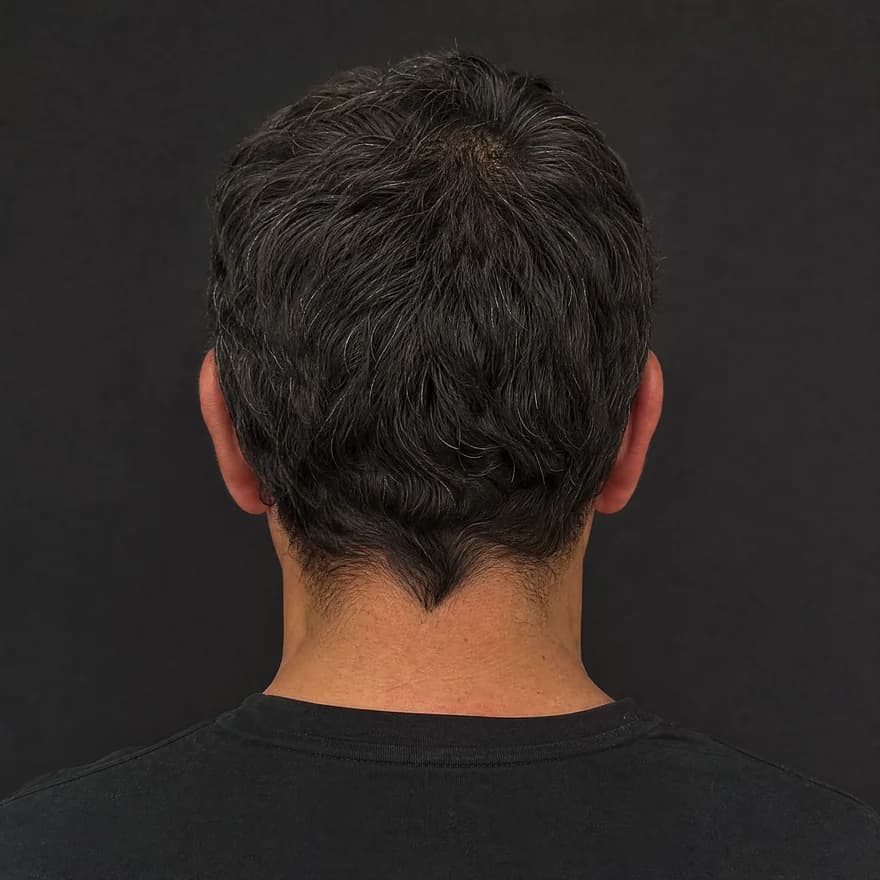
Back
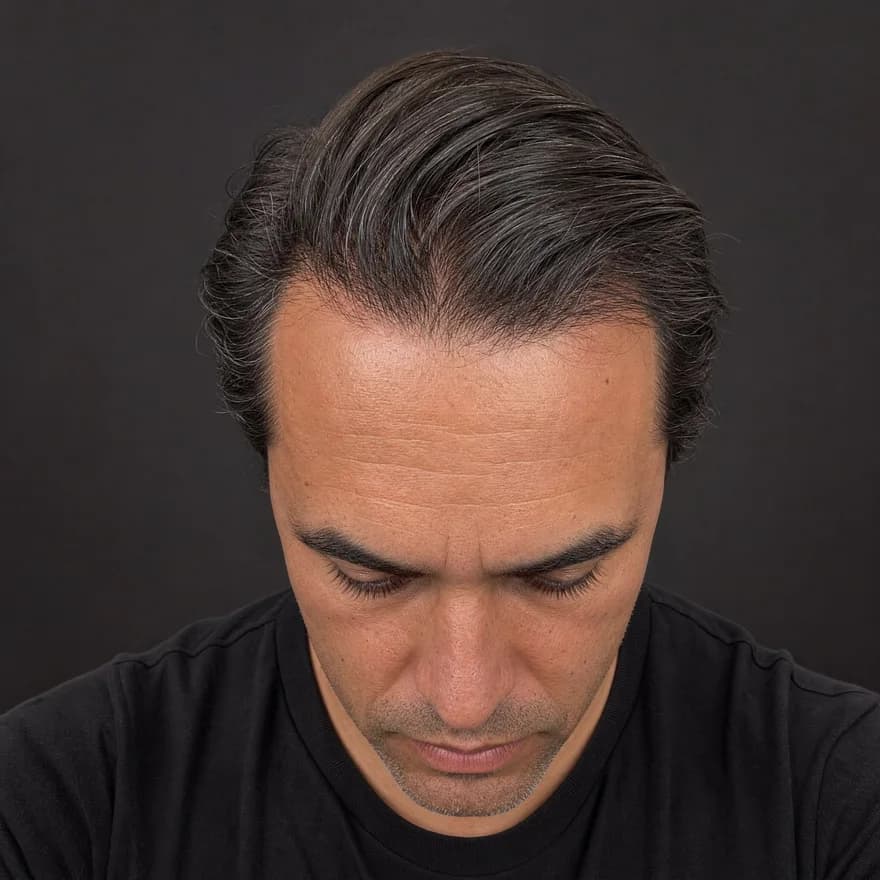
Front · Hairline
Same four angles, every time — illustrative example
Front · crown · temple · back
Four guided angles in about 30 seconds — the same views every time.
Hairline · density · scalp
AI reads each angle for hairline shape, crown density, and scalp surface.
Usable · limited · low-light
Every reading shows its confidence — limited views are flagged, not guessed.
Your baseline, revisited
Save it, rescan later, and see exactly what moved.
How density is read
Density is hard to judge in a mirror. The same four angles give a consistent, appearance-based read you can actually repeat.
How full the crown looks from the top and back — the area a mirror never shows you well.
How the frontal third and temples fill in, read from the front angle.
How much scalp shows through under even light — the practical signal behind "looking thin".
The same angles every time, so a real change stands out from a bad-lighting day.
A density read
An illustrative example of how the crown and hairline are mapped — your read is built from your own photos.
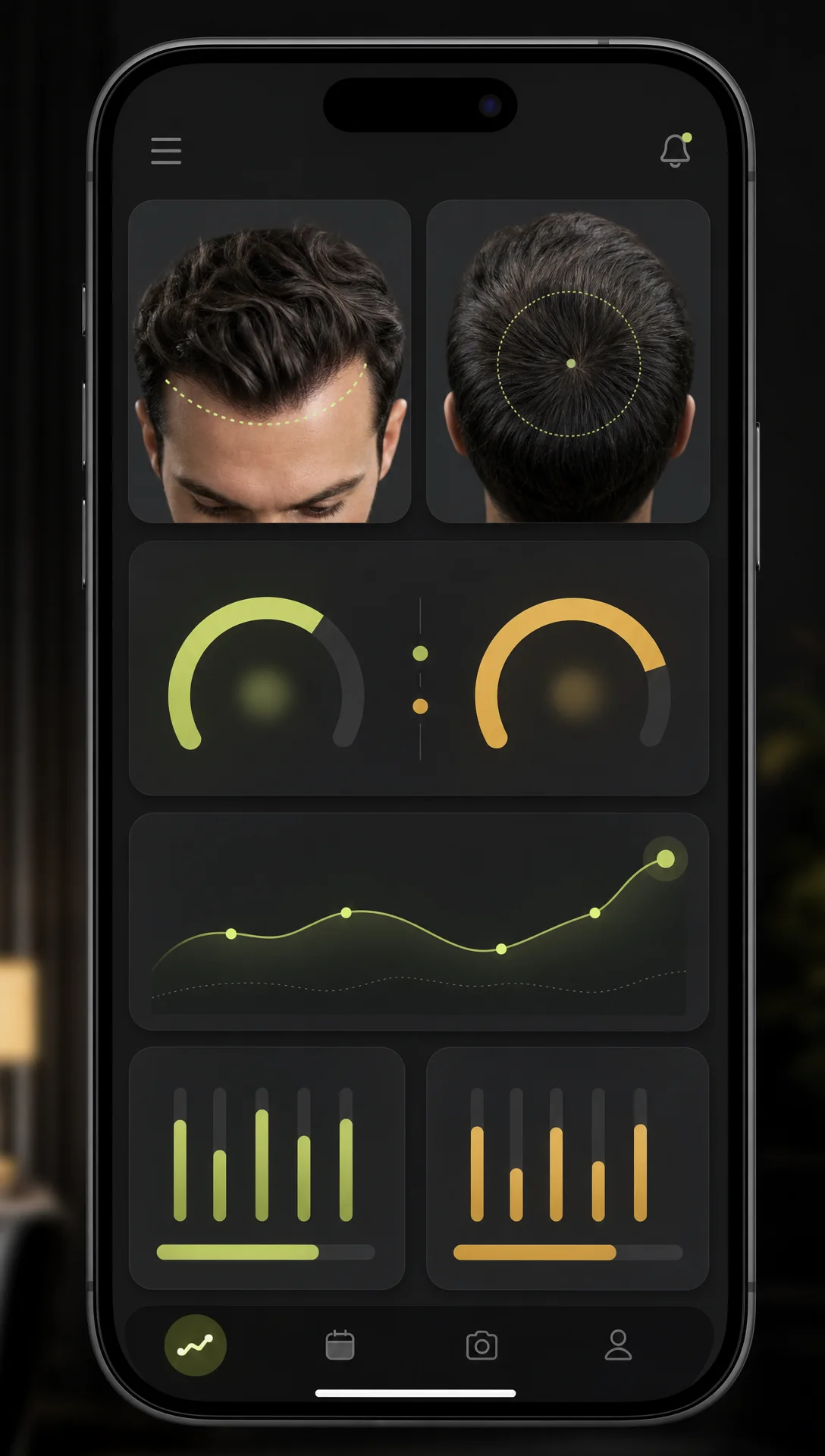
Why this is repeatable
Mirror checks change with light, angle and mood. This is built to take those variables out.
Guided capture puts your crown and hairline in the same position on every scan — so a change in the photo means a change on your head, not in your grip.
Visible density is reported as a stable tier (low / medium / high). A photo can't count hairs, and a tier doesn't jump around between two scans of the same head.
Crown and hairline are read separately — thinning rarely starts everywhere at once, and the split is what makes the trend useful.
The score that matters is the change from your last scan — not a comparison against anyone else's head.
Questions
You take four guided photos. AI reads visible density across your crown and hairline, shows the confidence of each reading, and saves it as a baseline to compare against future scans.
It reads visible density signals from appearance — not a follicle count. The value is consistency: the same four angles every time, so changes are easier to spot than with random mirror checks.
Photos and a blurred preview are free — no sign-up needed. Unlocking the full density analysis is $2.99 per scan, or invite 3 friends to sign up through your link and earn one free scan. History and before/after comparison are part of Premium.
At home, the reliable approach isn't a number — it's consistency. Use soft, even light, the same four angles each time, and read crown and hairline coverage as a tier rather than chasing a count. The online test handles that framing for you, so checking density at home becomes a fair, repeatable comparison instead of a different mirror moment every time.
It reads visible density as a stable tier — low, medium, or high — not a clinical count per square centimetre. A phone photo honestly can't count follicles, and any tool that claims an exact number is overselling it. What's measurable, and useful, is whether your own tier holds or shifts between scans.
No. It is an informational, appearance-based check for tracking — not a diagnosis. See a qualified professional for medical concerns.
Yes. Photos are processed for your report only and are never used to train AI or sold.
A note on transparency
ScalpAnalysis AI reads appearance-based signals and tracks visible change over time. It does not diagnose, treat, cure, or prevent any condition.
If you have pain, sudden shedding, or signs of infection, a qualified professional is the right next step.
The report it produces
This is the exact report format a scan unlocks — qualitative tiers, your visible features, and a confidence level on every reading. Saved as a baseline you compare against on every rescan.
Your Hair Profile
Temples just starting to open — crown still covered
Density
Medium
Type
Wavy
Texture
Medium
Shine
Medium
Risk of Recession
Low
Hair Loss
Mild
Illustrative example · sample data
Related guides
From the blog
Photos and a blurred preview are free. The full analysis is $2.99, or invite 3 friends for one free analysis.
