Women's Part & Density Baseline
In women, early density changes rarely look like an M-shaped male hairline — they usually show up first along the central part line, at the temples when hair is tied back, or as subtle diffuse show-through under overhead light. Capture four guided dry-hair photos in your browser (with our 10-women's hairstyle lookbook pre-selected) to put today's baseline on record calmly. Appearance-based only, not a diagnosis.
Women's mode pre-selected · Photos and a blurred preview are free, no sign-up. Unlock your full 5-page baseline + 3 matched AI hairstyle try-ons + 3 shampoo ingredient checks for $2.99.
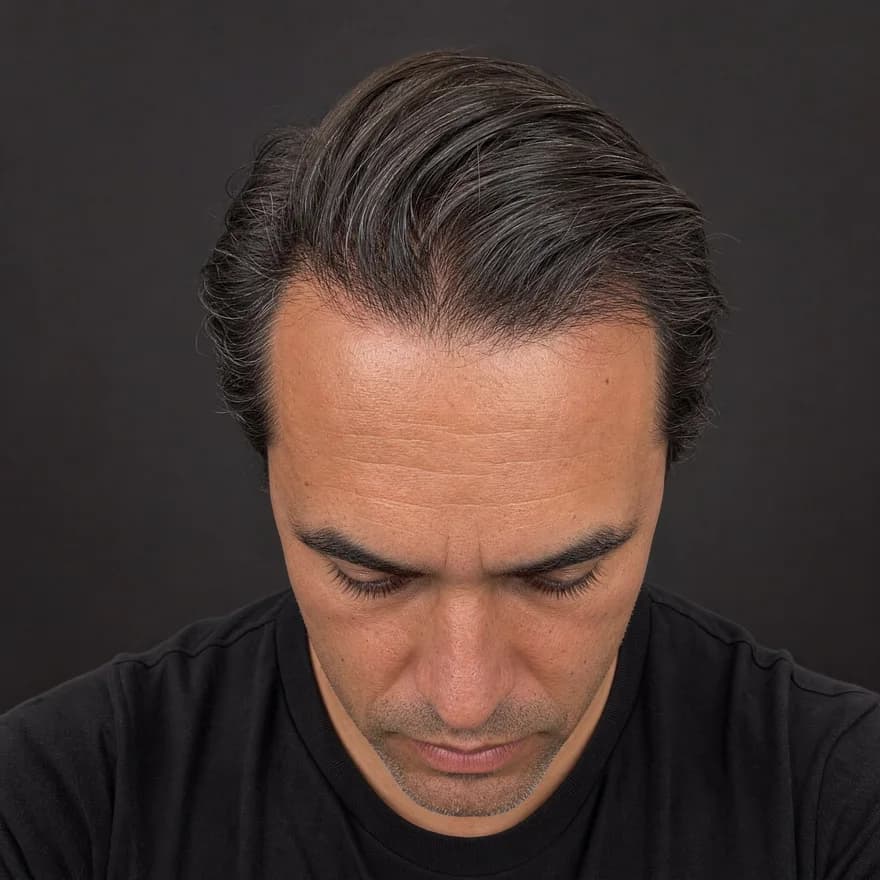
Front
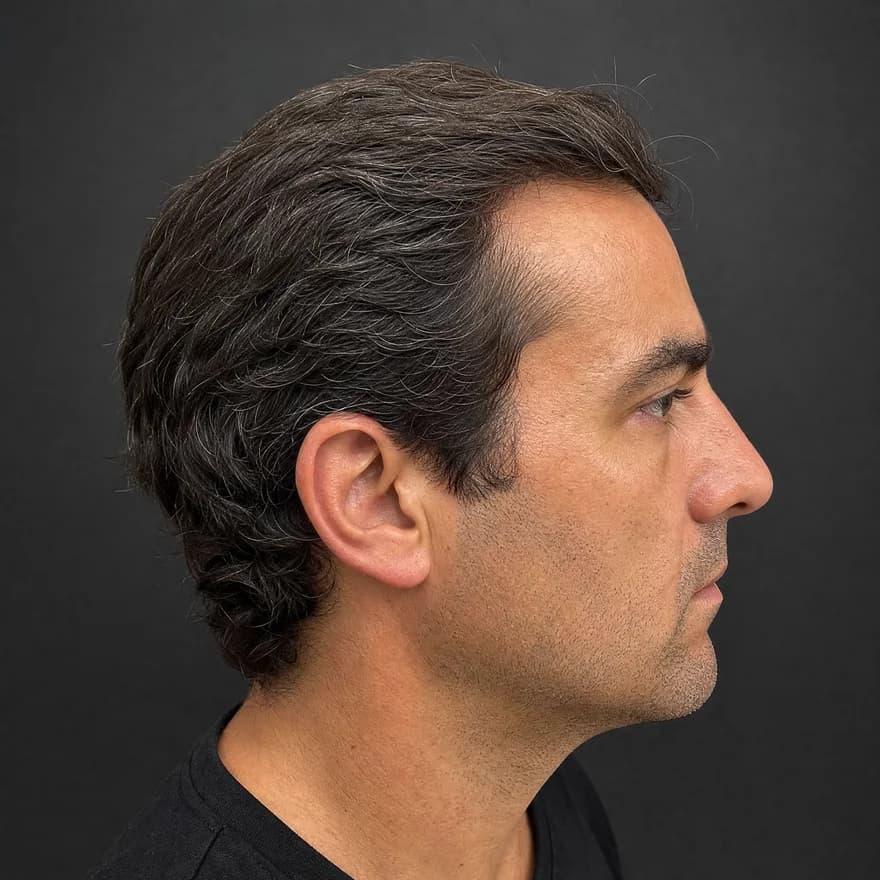
Side
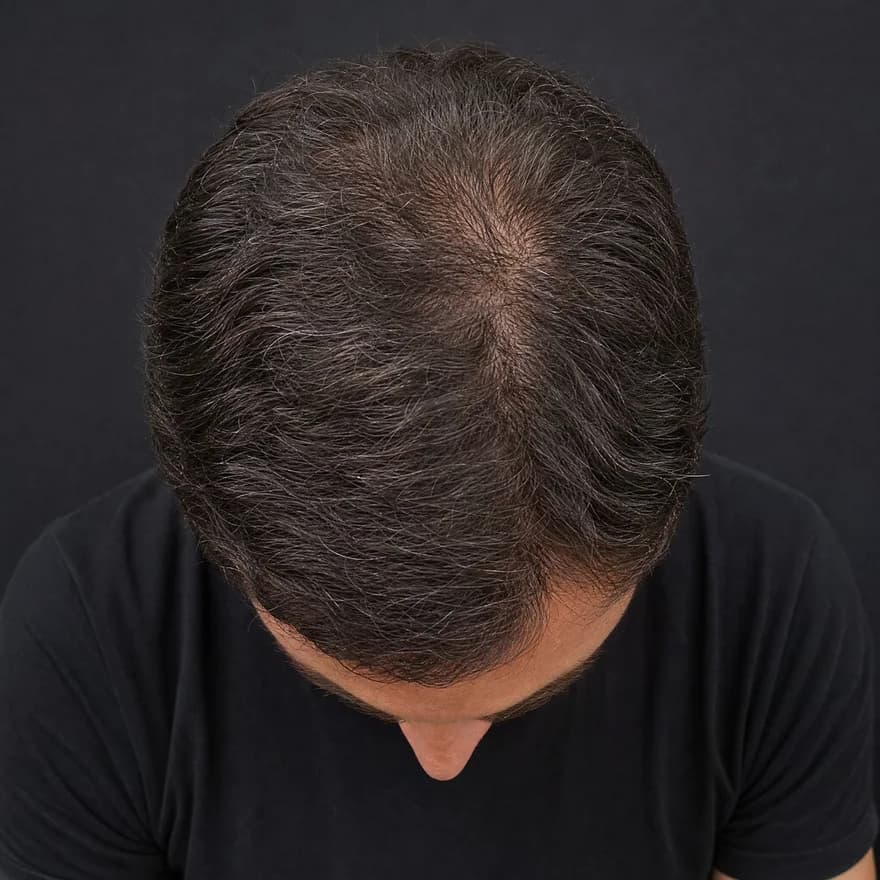
Top
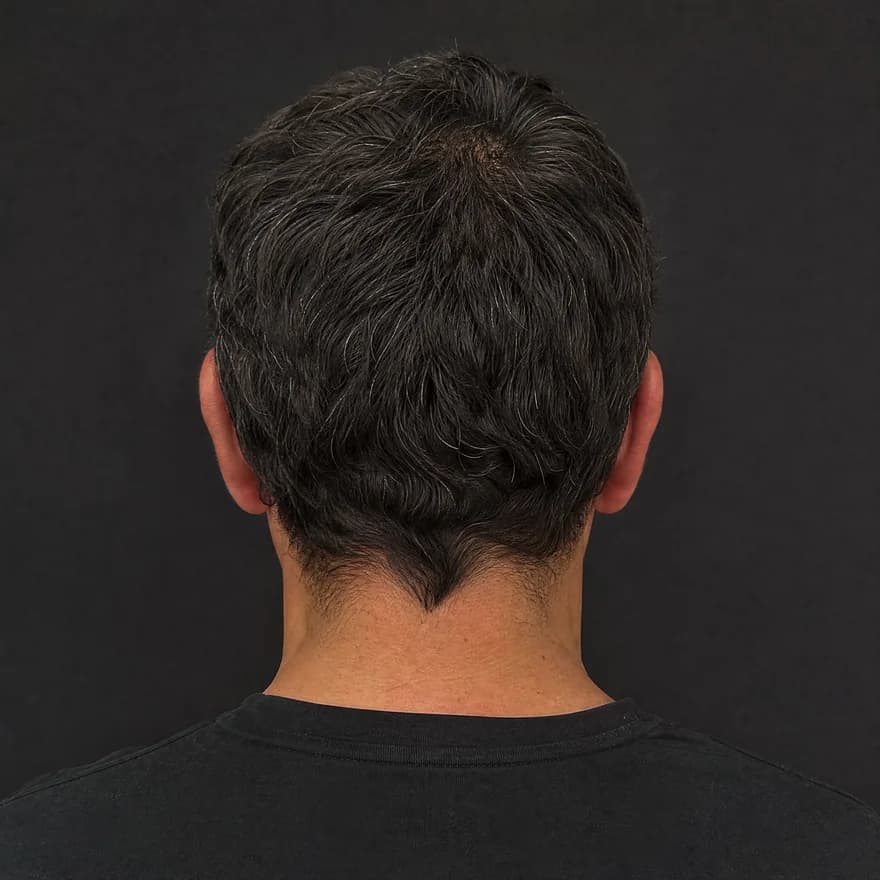
Back
Hairline
Stage 2
Density
Medium
Scalp health
Fair
Illustrative example · appearance tiers, not a diagnosis
The report it produces
This is the exact report format a scan unlocks — qualitative tiers, your visible features, and a confidence level on every reading. Saved as your baseline and yours to keep; comparing it against later rescans is part of Premium.
Your Hair Profile
Temples just starting to open — crown still covered
Density
Medium
Type
Wavy
Texture
Medium
Shine
Medium
Risk of Recession
Low
Hair Loss
Mild
Illustrative example · sample data
Part-line calibration
Almost everyone has had a moment under an elevator, fitting-room, or bathroom ceiling bulb where their part suddenly looked twice as wide. Before assuming your density changed overnight, separate lighting physics from multi-month trend.
| What you noticed | Common harmless cause | How a baseline settles it |
|---|---|---|
| Bright white stripe along the center part | Direct overhead LED spotlight + high contrast between dark hair and pale scalp | Shoot in diffused daylight near a window and compare the same angle 8–12 weeks apart |
| Scalp showing right after washing or serum | Water or rich oils clump fine strands into wider channels | Always scan completely dry, detangled hair before heavy leave-in products |
| Thinner-looking temples in a tight ponytail | High tension pulls fine baby hairs taut and exposes normal temple skin | Capture front and side views with hair worn gently back without tight traction |
| Gradual widening across matched dry photos | Consistent appearance shift over several months | Dated four-angle archive (or 9-page PDF with Premium) gives your dermatologist clear visual history |
How it works
Same four angles every time, so later scans line up fairly with your first. Side-by-side compare and trends come with Premium.
Front · Hairline
Side · Temple
Top · Crown
Back
Same four angles, every time — illustrative example
Front · side · top · back
Four guided angles in about 30 seconds — the same views every time.
Hairline · density · scalp
AI reads each angle for hairline shape, crown density, and scalp surface.
Usable · limited · low-light
Every reading shows its confidence — limited views are flagged, not guessed.
Your baseline, revisited
Your report and baseline stay yours. Rescan later; side-by-side compare and trends are Premium.
Different visual pattern
Most online hair trackers only look for deep M-shaped temple corners. A useful check for women has to read the top part line and diffuse crown context together.
Appearance-based visual tracking — never a substitute for clinical evaluation.
What your scan unlocks
Clear qualitative tiers with explicit photo confidence — never scary, made-up follicle loss percentages.
See face-shape notes plus 3 matched women's cuts rendered onto your own front photo to visualize root-lifting layers or bangs.
Snap 3 bottle labels to spot heavy silicones, waxes, or harsh cleansers that may flatten fine hair or irritate your scalp.
Save today's set as page one; Premium adds side-by-side photo comparison and a printable 9-page clinical dossier.
How it works
Step near a window or evenly lit room — skip post-shower wet hair and harsh ceiling spotlights.
On-screen guides (and optional voice cues for top and back views) help you frame all four angles solo.
Women's mode stays selected automatically. Unlock all 5 report pages, 3 AI hairstyle try-ons, 3 Q&As, and 3 bottle checks with no subscription required.
Hair cycles move slowly. Comparing matched angles every couple of months turns daily mirror worry into calm clarity.
Questions
As dermatology references including the American Academy of Dermatology note, women more often notice overall diffuse thinning or a gradually widening part line rather than a sharply retreating front hairline. Because bathroom spotlights, wet hair, and fresh comb lines can mimic a wider part on any given morning, comparing matched dry top-and-front photos months apart is far fairer than a single mirror glance.
Yes. Tapping the scan button on this page pre-selects Women's mode, matching your face shape and hair attributes to our 10-women's style lookbook (curtain bangs, textured lob, classic bob, butterfly layers, soft waves, and more) rather than barber fades.
Wear your hair dry and parted the way you normally wear it day to day, under soft window daylight or even room light rather than directly beneath a harsh bathroom downlight. Repeating that exact part and light 8–12 weeks later is what makes two scans genuinely comparable.
Yes — rich silicones, heavy butters, or oils applied near the scalp can clump fine strands together and expose more skin along the part line. Every unlocked $2.99 scan includes 3 shampoo or conditioner bottle Ingredient Checks so you can check whether your everyday formulas risk weighing roots down.
No. ScalpAnalysis AI describes visible appearance signals and stores a dated photo baseline — it cannot diagnose hormonal, nutritional, postpartum, or medical causes of shedding. If you notice sudden shedding, patchy spots, scalp tenderness, or progressive widening across matched photos, bring your dated baseline to a dermatologist or GP.
Completely. Unclaimed guest preview photos are automatically deleted within 24 hours, saved baseline photos belong only to your private account, and no user images are ever used to train AI models.
A note on transparency
ScalpAnalysis AI reads appearance-based signals and tracks visible change over time. It does not diagnose, treat, cure, or prevent any condition.
If you have pain, sudden shedding, or signs of infection, a qualified professional is the right next step.
Related guides
From the blog
Photos and a blurred preview are free. The full analysis is $2.99 — or free once 3 new friends sign up with your link and each complete their first full scan.
