Scalp Through Wet Hair
Stepping out of the shower and seeing more scalp than you expected is one of the most common hair scares — and usually one of the least alarming. Wet hair loses its volume and clumps into separated strands, so light reaches the scalp far more easily than it does through dry, fuller-looking hair. In other words, wet hair shows more scalp by default. It's a poor moment to judge anything. The fix is simple: baseline it dry, under even light, and watch the trend rather than the shower.
How it works
Same four angles, every time — so each new scan compares fairly to your very first.
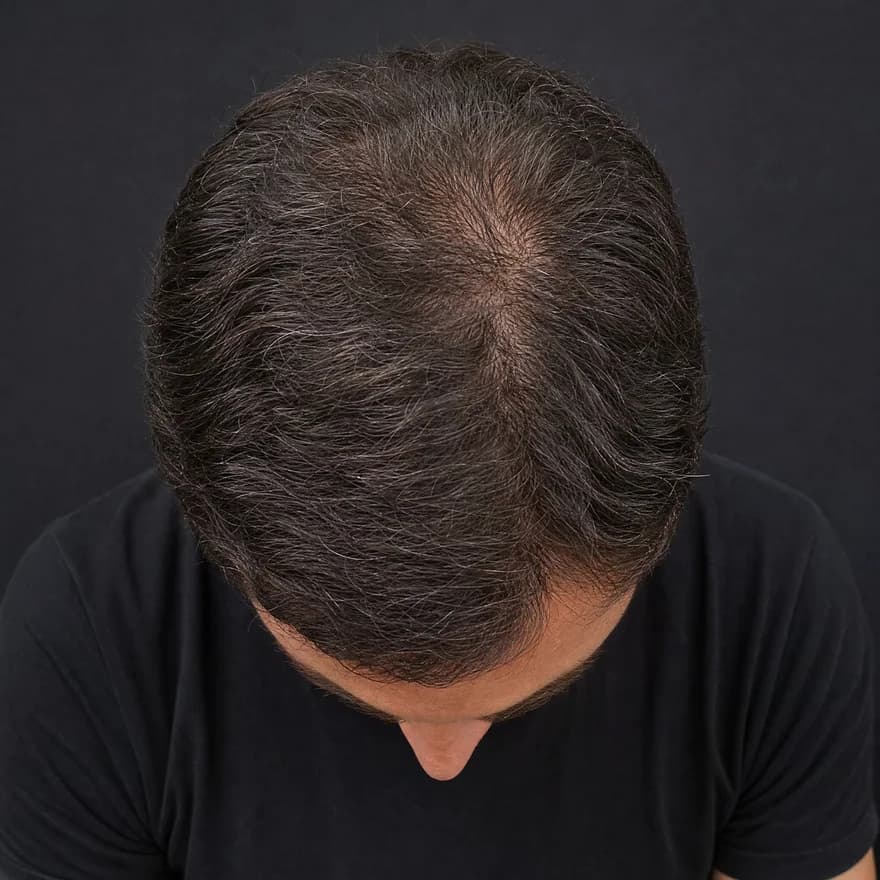
Top · Crown
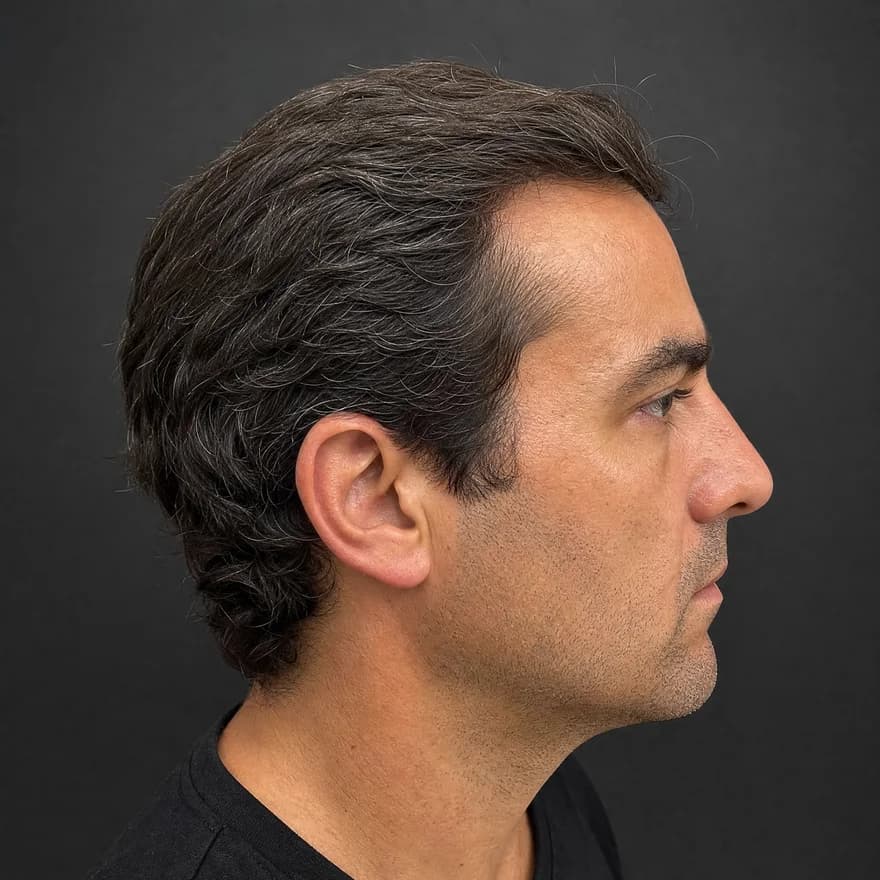
Side · Temple
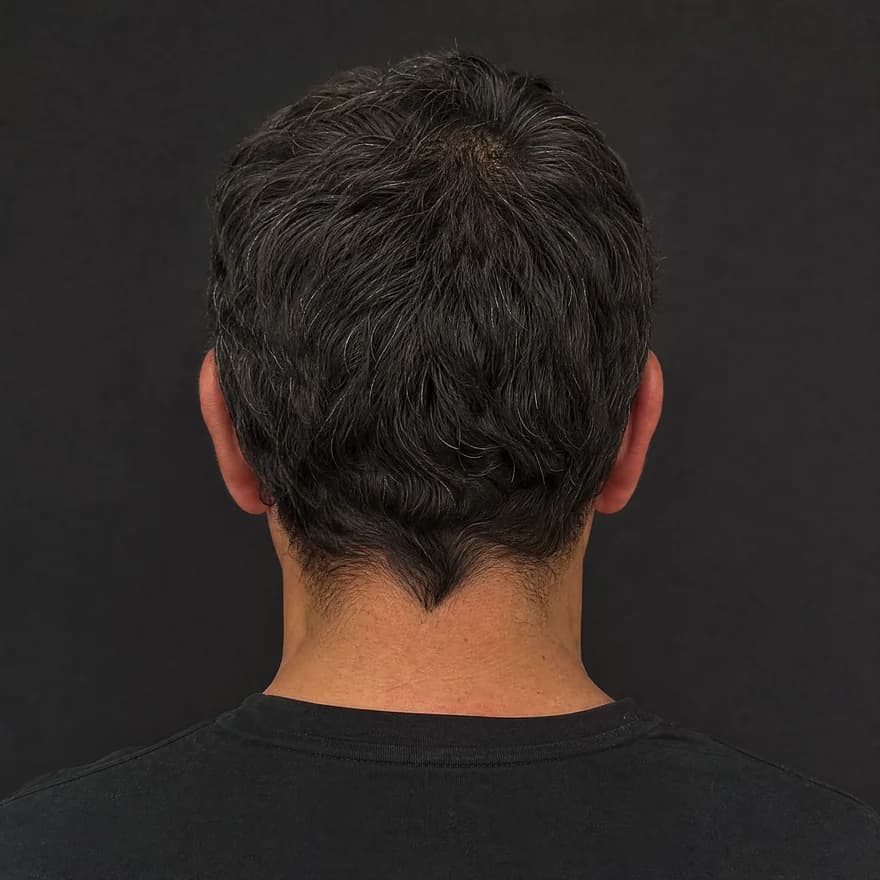
Back
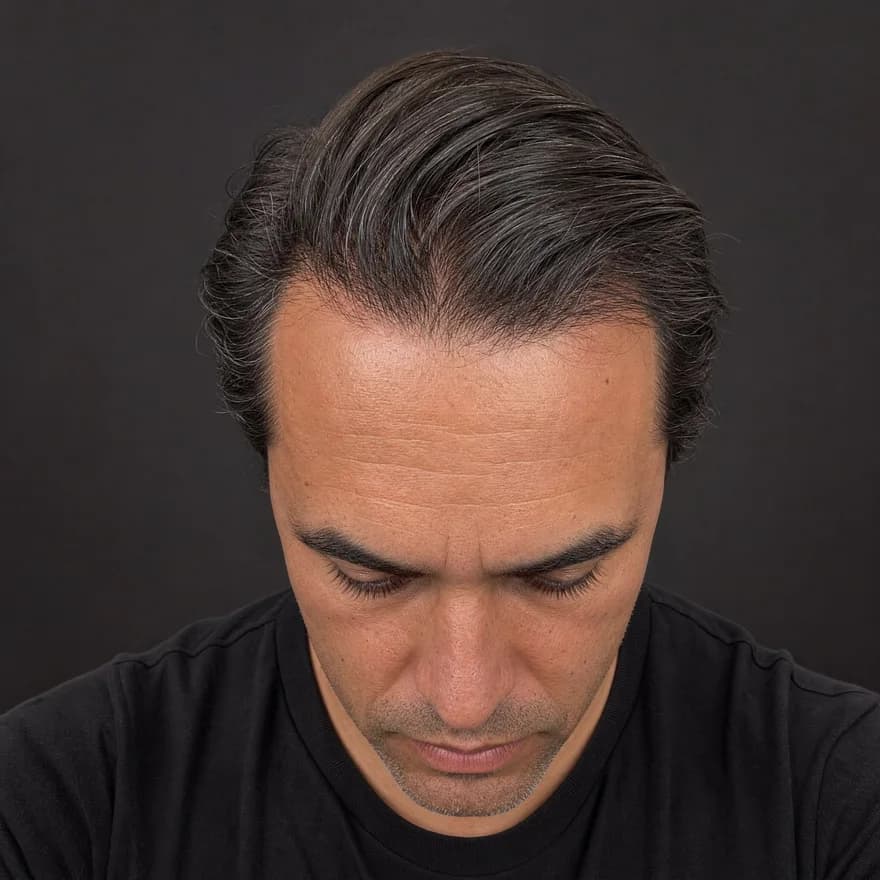
Front · Hairline
Same four angles, every time — illustrative example
Front · crown · temple · back
Four guided angles in about 30 seconds — the same views every time.
Hairline · density · scalp
AI reads each angle for hairline shape, crown density, and scalp surface.
Usable · limited · low-light
Every reading shows its confidence — limited views are flagged, not guessed.
Your baseline, revisited
Save it, rescan later, and see exactly what moved.
Wet vs. dry
Same head, two very different pictures. Only one of them is a fair read.
Appearance-based reads for tracking — nothing here is a diagnosis.
Baseline it dry instead
The useful question isn't 'why can I see scalp when wet?' — it's 'is my dry coverage holding steady?'
Let hair dry and regain its volume, then find soft, even light — daylight near a window beats harsh bathroom bulbs that overstate show-through.
A guided scan reads visible coverage across your hairline and crown as tiers, with a confidence level on each — today's dry picture, dated and on record.
Identical framing means a difference between two scans is a difference on your head, not a wetter day or a harsher light. Every 8–12 weeks is plenty.
A flat, stable dry-hair trend is a genuinely reassuring answer. If it's moving, you'll see it early — and dated photos make a professional's visit count.
Questions
For most people, yes. Wet hair loses volume and clumps into separated strands, so light reaches the scalp much more easily than through dry, fuller hair — which means more scalp shows by default. The shower is simply the least flattering moment to judge coverage, not evidence of a problem on its own.
Dry hair sits apart and fills the space between strands; wet hair sticks together in heavier clumps, opening gaps that let the scalp show through. Add harsh bathroom light and a downward shower-mirror angle and the effect is exaggerated. It usually looks much fuller again once it dries and regains volume.
Seeing some scalp through wet hair on its own isn't a reliable warning sign — it's expected. What's worth attention is a change over time: if your dry-hair coverage looks genuinely different from how it did months ago. A one-off wet look is a moment; a trend you've tracked is a signal.
Judge it dry, under soft even light, and the same way each time — not straight out of the shower. A guided four-angle scan reads visible coverage as a stable tier with a confidence level. Photos and a blurred preview are free; unlocking the full analysis is $2.99 (or invite 3 friends for a free scan), then save it as a baseline. The real question — 'has my dry coverage changed?' — is one you answer with a rescan, not a wet-hair panic.
If your coverage looks genuinely reduced when dry across several scans, or you notice sudden or patchy shedding, scalp itch, or tenderness, that's a question for a qualified professional rather than a tracking app. Dated photos from your baseline make that visit more useful. This is an informational, appearance-based check — not a diagnosis.
A note on transparency
ScalpAnalysis AI reads appearance-based signals and tracks visible change over time. It does not diagnose, treat, cure, or prevent any condition.
If you have pain, sudden shedding, or signs of infection, a qualified professional is the right next step.
The report it produces
This is the exact report format a scan unlocks — qualitative tiers, your visible features, and a confidence level on every reading. Saved as a baseline you compare against on every rescan.
Your Hair Profile
Even crown coverage with a soft cowlick
Density
High
Type
Wavy
Texture
Medium
Shine
Medium
Risk of Recession
Low
Hair Loss
Minimal
Illustrative example · sample data
Related guides
From the blog
Photos and a blurred preview are free. The full analysis is $2.99, or invite 3 friends for one free analysis.
