Stress & Hair Loss
A stressful stretch is one of the most common things people blame for extra shedding — and the connection is real enough that the shedding usually shows up a couple of months after the stress, then tends to settle as life does. The honest catch: a heavy-shedding spell looks alarming and a phone can't tell you why it's happening. What a baseline can show is the part that matters — whether your visible coverage holds steady and recovers over the months that follow.
How it works
Same four angles, every time — so each new scan compares fairly to your very first.
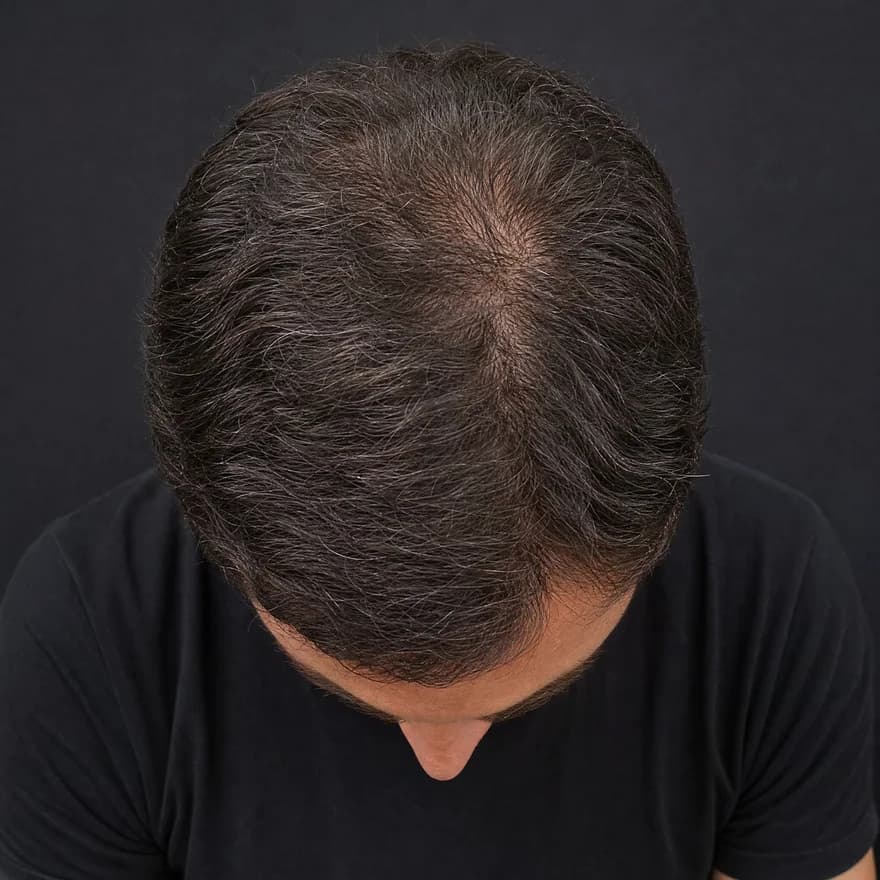
Top · Crown
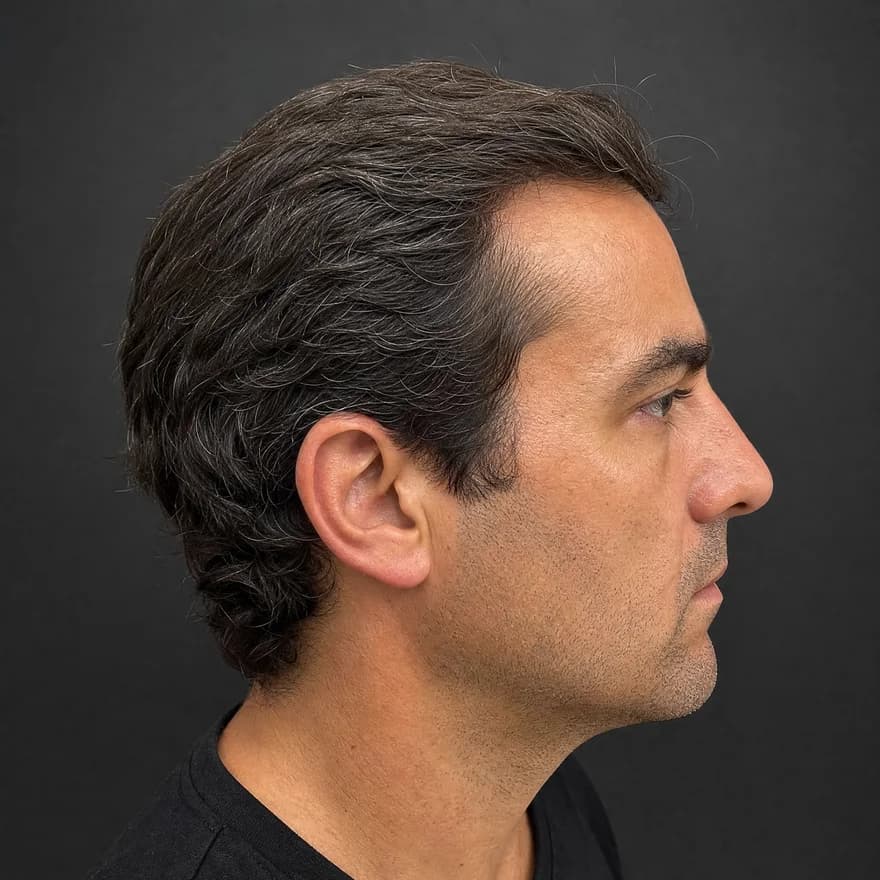
Side · Temple
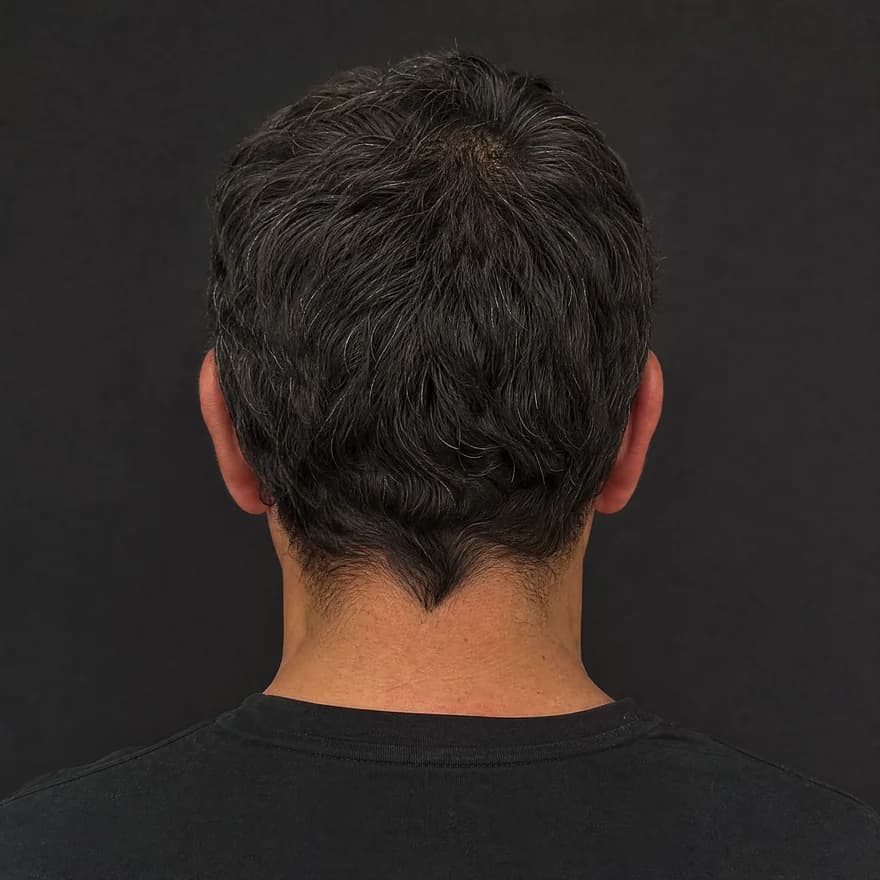
Back
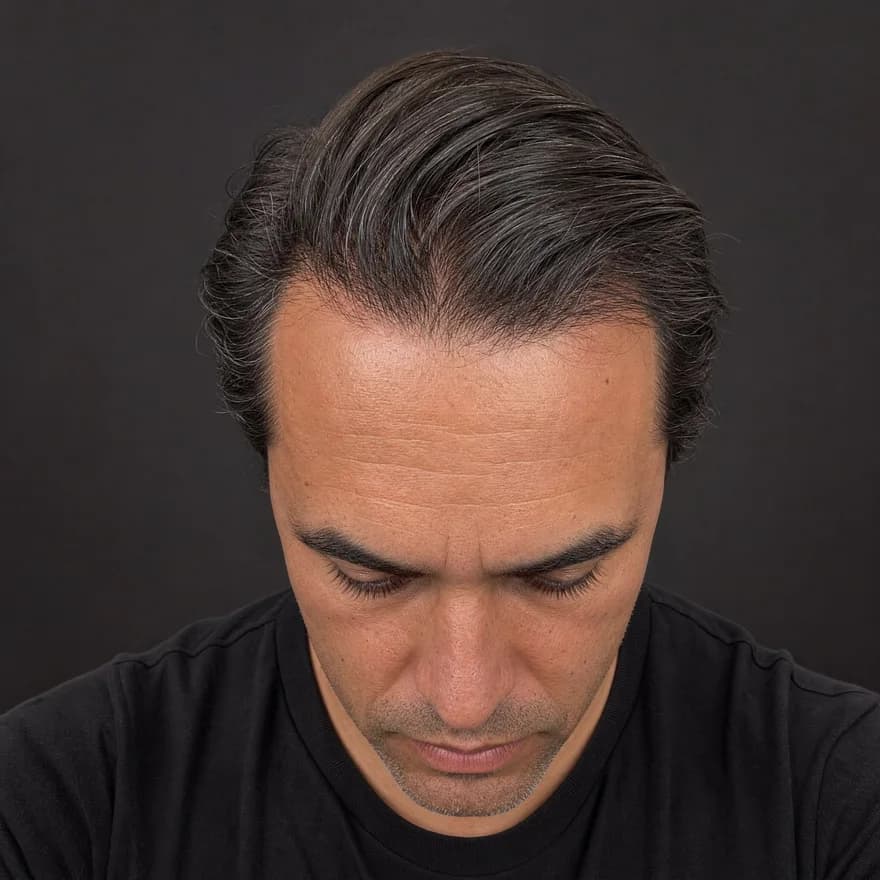
Front · Hairline
Same four angles, every time — illustrative example
Front · crown · temple · back
Four guided angles in about 30 seconds — the same views every time.
Hairline · density · scalp
AI reads each angle for hairline shape, crown density, and scalp surface.
Usable · limited · low-light
Every reading shows its confidence — limited views are flagged, not guessed.
Your baseline, revisited
Save it, rescan later, and see exactly what moved.
Two patterns to compare against
Neither column is a diagnosis — they're visible patterns to check your own photos against over months.
Appearance-based patterns for comparison — not a diagnosis either way.
Let recovery show itself
You can't read a cause off one week. You can read recovery off a trend.
Four guided angles capture today's coverage as tiers, with a confidence level on each — a fixed reference instead of a memory of a worse-looking morning.
Stress-linked shedding tends to lag and then settle over months, so rescanning every 8–12 weeks is what lets recovery — or a steadier drift — actually reveal itself.
Coverage bending back toward baseline reads like a temporary, settling spell; coverage that keeps softening reads like a trend worth a closer look — and the comparison runs on identical angles.
If the trend keeps drifting, or shedding is sudden or patchy, a qualified professional is the right call — and dated photos turn worry into something they can actually work with.
Questions
A stressful period is widely associated with a temporary increase in shedding, and it often shows up a couple of months after the stress rather than during it. It's usually diffuse rather than zone-specific, and tends to settle as the stress does. This page is informational — what causes shedding in your case is a question for a qualified professional, not a photo.
When shedding follows a stressful stretch, it commonly runs for a few months and then eases as the cycle rebalances, with coverage drifting back toward where it was. Because it's gradual in both directions, a single bad week tells you little — comparing the same photos months apart is what shows whether it's settling.
Direction over months is the tell, not a single snapshot. Shedding that follows stress tends to be diffuse and to recover toward your baseline; a steadier pattern shows as coverage that keeps softening — a part reading wider, or more crown show-through — scan after scan. A baseline plus rescans is how you read which way yours is going.
It reads visible coverage across your hairline and crown as stable qualitative tiers, each with a confidence level, and compares every rescan against your saved baseline. It describes appearance and tracks change over time — it doesn't measure stress, name a cause, or diagnose anything.
If shedding is sudden, heavy, or patchy, comes with scalp itch, pain, or redness, or simply isn't settling, that's a question for a qualified professional rather than a tracking app. Bringing dated photos from your baseline makes that conversation more useful.
A note on transparency
ScalpAnalysis AI reads appearance-based signals and tracks visible change over time. It does not diagnose, treat, cure, or prevent any condition.
If you have pain, sudden shedding, or signs of infection, a qualified professional is the right next step.
The report it produces
This is the exact report format a scan unlocks — qualitative tiers, your visible features, and a confidence level on every reading. Saved as a baseline you compare against on every rescan.
Your Hair Profile
Even crown coverage with a soft cowlick
Density
High
Type
Wavy
Texture
Medium
Shine
Medium
Risk of Recession
Low
Hair Loss
Minimal
Illustrative example · sample data
Related guides
From the blog
Photos and a blurred preview are free. The full analysis is $2.99, or invite 3 friends for one free analysis.
